
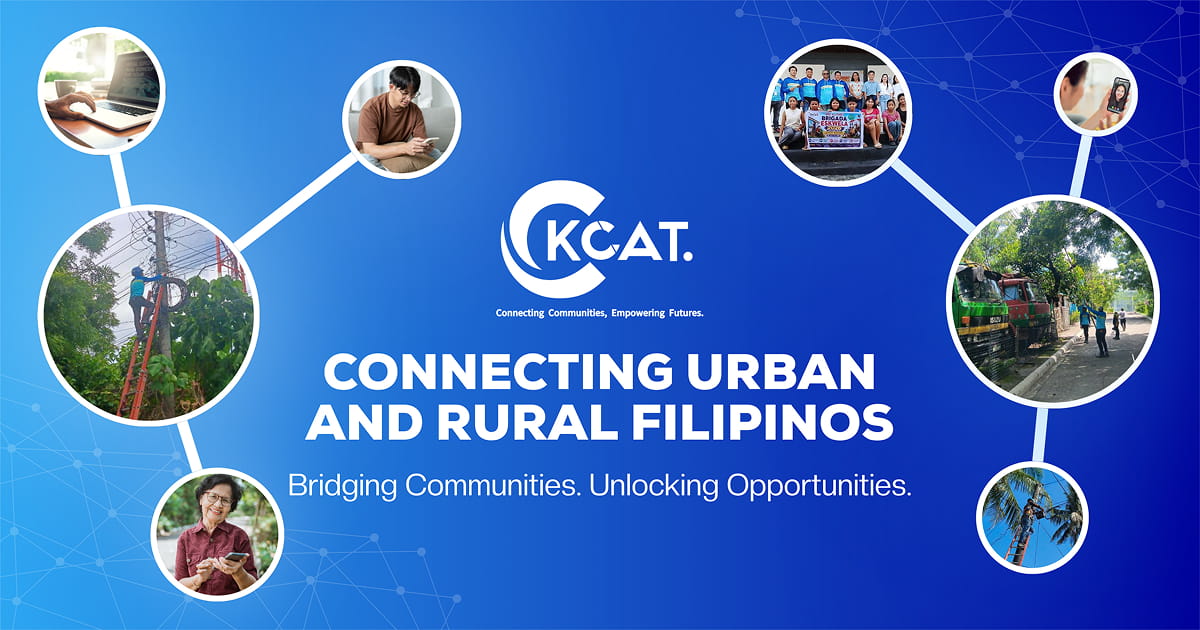
Where a person lives should not determine the opportunities they can access. Yet across the Negros Occidental, differences in internet availability and digital infrastructure continue to create a gap between urban and rural communities. While urban centers often enjoy faster and more reliable connections, many rural areas still face limited access to the digital tools that have become part of everyday life.
The digital divide between urban and rural communities in Negros Occidental affects everyone, not just those living in underserved areas. When rural communities have limited access to reliable connectivity, their ability to participate in the digital economy is restricted. At the same time, people and businesses in urban areas miss opportunities to connect with rural communities, discover local industries, and build stronger economic relationships. Instead of creating a more connected nation, the digital divide reinforces existing inequalities and slows progress for communities across the region.
Understanding the Digital Divide
The urban-rural digital divide refers to the difference in access to Information and Communication Technologies (ICT) between cities and rural communities. While urban areas often benefit from stronger ICT and internet infrastructure, along with greater access to digital technologies, many rural communities continue to face challenges due to limited connectivity, lower digital literacy, and the high cost of devices and internet access.
Even before today’s digital technologies and ICT became part of everyday life, many developing countries already experienced unequal growth between urban and rural communities. Cities often received greater investment in ICT infrastructure and better access to essential services, while rural areas were left with fewer opportunities.
As digital technologies continued to evolve, some believed that differences in internet access were simply another result of this long-standing imbalance. Over time, however, growing evidence showed that the digital divide is a distinct challenge of its own. Limited access to reliable ICT infrastructure and internet connectivity has not only reflected existing inequalities but has also contributed to widening economic and social gaps between urban and rural communities.
How the Digital Divide Affects Rural Communities
The digital divide remains evident between urban and rural communities. Internet access is significantly higher in cities, while many rural areas continue to face limited connectivity due to weaker digital infrastructure. This unequal access to reliable internet continues to limit digital participation and widens the gap between connected and underserved communities. As more opportunities for education, employment, public services, and business move online, reliable connectivity becomes increasingly important for inclusive growth.
This contributes to the digital isolation of rural communities. With slower digital development, these areas risk being left behind as globalization continues to accelerate. Without reliable access to digital resources and connectivity, rural communities struggle to keep pace with economic, educational, and technological advancements, widening the gap between them and more developed areas.
As a result, the flow of information becomes limited, access to quality education and employment opportunities declines, and local development slows. Government services and national programs also become less effective when communities cannot fully participate in the country’s digital systems. Over time, this not only affects individual communities but also hinders broader economic growth and inclusive national development.
Why Urban Communities Are Also Affected
The digital divide does not only affect rural communities; it influences how Negros Occidental grows as a whole. As the gap between connected and underserved communities continues to widen, rural areas become less accessible for business expansion, investment, and the efficient distribution of goods, services, and opportunities.
At the same time, having stronger ICT infrastructure in major urban centers alone does not guarantee digital inclusion or sustainable growth. For Negros Occidental to remain competitive, digital infrastructure must extend beyond Metro Manila and reach more communities across the province. Strengthening local connectivity helps reduce dependence on the capital while laying the foundation for long-term regional development. Bridging the digital divide is therefore essential to creating a more resilient, and self-sustaining local economy.
The Barriers to Better Digital Connectivity
The Philippines’ digital infrastructure challenges stem from several factors, including limited competition in the telecommunications industry and the difficulty of expanding broadband networks across the country.
For many years, internet infrastructure has been concentrated in major cities, making it more challenging for provinces like Negros Occidental to achieve the same level of digital connectivity. As demand for reliable internet continues to grow, particularly in urban business hubs like Metro Manila, many regions continue to face gaps in digital access. Addressing these disparities is essential not only for regional development but also for strengthening the Philippines as a whole.
Bridging this divide will require collaboration between the government, private sector, and local internet providers to expand infrastructure and ensure that more communities have access to reliable, affordable connectivity.
Connecting a Digitally Inclusive Negros Occidental
The digital divide is more than a technology issue, it is a challenge that influences how communities and the country move forward together. Although progress has been made, expanding reliable connectivity remains essential to ensuring that every community, regardless of location, can take part in the country’s digital transformation.
At KCAT, our mission is to help bridge that gap by bringing reliable internet access to more communities across Negros Occidental. We believe that meaningful progress should be shared, not limited by geography. By continuously expanding our network and investing in better connectivity, we strive to ensure that more families, businesses, and communities can stay connected and move forward together.